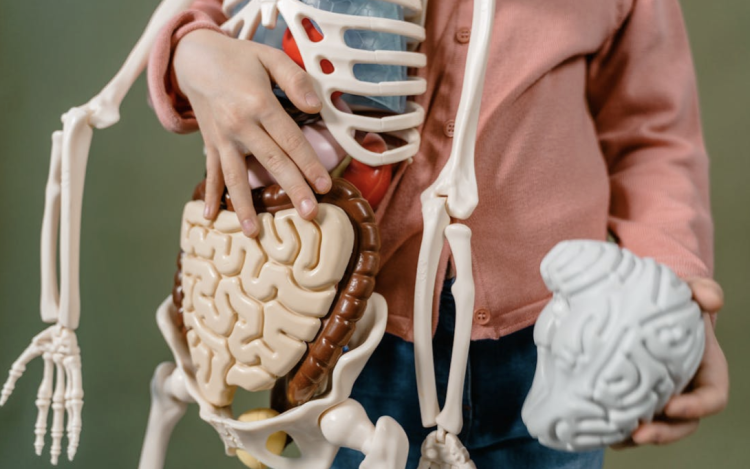
Having a healthy gut is the key to a healthy life, as it can help boost the function of other parts of your body. There is a strong connection between the gut and brain, both working together to give you improved cognitive function and mental clarity.
It’s been found that diets high in processed, sugary foods can cause inflammation in your gut and disrupt the way you feel. That’s why you should always focus on ensuring that you indulge in a healthy diet that is high in fibre, so you can get beneficial microbes that have been known to reduce anxiety and allow your brain to work at optimal power. You can also ensure that everything you consume is made using pure water that is free of macrobes.
This guide will advise you on how your gut and brain are connected, as we talk you through the dietary changes that have the potential to boost your mental clarity. Continue reading to find out more.
How Diet Influences Mental Clarity
The Second Brain
The Enteric Nervous System (ENS), often called the second brain, consists of over 100 million neurons lining your digestive tract. This system communicates with your central nervous system to establish a connection between your gut and your brain. It produces around 95% of the body’s serotonin, so any disruption in your gut health sends immediate distress signals upward. This can lead to feelings of anxiety and less cognitive ability with brain fog. When you have a balanced gut, it acts as a chemical anchor that can stabilise your mood and improve your mental focus.
Microbiome & Neurotransmitters
Your gut is essentially a biological factory where the microbiome works around the clock to help with neuroactive compounds. A healthy microbiome generates GABA, the brain’s natural calming chemical and dopamine, which drives motivation and mental clarity. When this bacterial balance is disrupted by a poor diet, the production of these chemicals can falter and lead to you becoming more irritable and anxious. This can give you fatigue, both physically and mentally unless you start to change your gut health for the better.
Inflammation Control
When you consume a diet high in refined sugars and saturated fats, you can suffer from more inflammation that doesn’t stay confined to your digestive tract. These foods promote the growth of pro-inflammatory bacteria, which compromise the intestinal barrier and allow metabolic toxins to leak into the bloodstream. Once this inflammation reaches the brain, it sparks oxidative stress, which can damage neurons. This is the primary driver of brain fog, as your mental sharpness is reduced and if left unchecked over years, it can result in long-term cognitive decline.
Cognitive Function
The Mediterranean-style diet serves as the gold standard for neurological health, as it focuses on neuroprotective compounds rather than isolated nutrients. Central to this are Omega-3 fatty acids, found in fatty fish and walnuts, which act as the structural building blocks for brain cell membranes. This enhances the speed of signal transmission between neurons. When paired with the high concentrations of polyphenols from colourful fruits and vegetables and the steady glucose supply from whole grains, it can protect the brain from stress. This optimises your memory and focus by ensuring your brain has a consistent fuel source.
Impact of Dysbiosis
When your microbiome falls into a state of dysbiosis,you need to perfectly balance your diet for an improved mental performance. An imbalance can force the gut to produce inflammatory metabolites, which quickly compromise the blood-brain barrier. The result can manifest as persistent difficulty with concentration and a noticeable drain on your daily energy reserves. A dysbiosis gut fails to regulate cortisol properly too, which can lead to increased anxiety, as well as making you feel less awake during the day.
Changes You Can Make For Better Cognitive Function
Increased Fibre Diet
A high-fibre diet is great fuel for short-chain fatty acids, which are produced when beneficial gut bacteria ferment dietary fibre. These can travel to the brain to strengthen the blood-brain barrier and suppress neuroinflammation, effectively allowing for faster thinking. Fibre also prevents the rapid glucose spikes and crashes that lead to insulin resistance, a condition closely linked to cognitive decline and worse memory. Having more fibre in your diet can lead to anti-inflammatory protection necessary to maintain focus and long-term brain health. Fibre is also a good thing to eat if you suffer from constipation, as it promotes the urge to use the toilet.
Use Anti-Inflammatories
Anti-inflammatory foods can neutralise oxidative stress and suppress the production of pro-inflammatory cytokines, which can affect your brain function. When you consume high concentrations of antioxidants and omega-3 fatty acids, it slows down neuronal communication so your brain doesn’t function that well. This reduction in neural inflammation not only clears immediate brain fog but also protects the physical structure of your brain, significantly lowering the long-term risk of neurodegenerative diseases.
Ultrapure Water
While drinking ultrapure water isn’t recommended, it can benefit your gut and brain health in different ways. Manufacturers like Xylem use UPW to clean equipment and create formulas for probiotics and vitamins. UPW is chemically free of even the tiniest microbes, so it ensures that your gut supplements aren’t contaminated with heavy metals or rogue bacteria before they reach your shelf. Using a medium that is 100% free of organic matter, medical professionals can treat wounds without introducing colonies of bacteria that can trigger systemic inflammatory responses of your gut and brain.
Less Process Foods
Processed foods are made up of refined sugars, industrial seed oils and artificial additives that get past the body’s natural satiety signals. These highly processed ingredients can affect your brain and reduce its ability to form new connections and store memories. They also have a lack of fibre, which starves the beneficial gut bacteria responsible for producing neuroprotective compounds. This creates a neurotoxic environment that increases the risk of mood disorders and long-term cognitive impairment.
Final Thoughts
Investing in your gut health is a long term commitment to your cognitive longevity and emotional wellbeing. You should look to eat a nutrient dense diet, which should help you to notice a significant increase in your mental energy and a reduction in everyday anxiety. Every meal is an opportunity to fuel your second brain and protect your mind, as you allow yourself to function properly day-to-day without feeling tired or anxious. You can also have formulas for probiotics and vitamins made from ultra-pure water. If you follow these steps, you are ensuring a sharper and more vibrant future for both your body and your brain.