For many women, the arrival of “that time of the month” isn’t just a calendar event; it’s a physical and emotional upheaval. Premenstrual Syndrome (PMS) affects millions, bringing with it a chaotic cocktail of bloating, irritability, skin flare-ups, and debilitating cramps. While it has often been dismissed as something to simply “endure,” modern nutritional science tells a different story.
Your body undergoes a massive hormonal shift during the luteal phase (the days leading up to your period). By introducing specific “rescue ingredients” through diet and supplementation, you can help stabilise these shifts and reclaim your health.
Here is the ultimate guide to the key ingredients that actually help with PMS.
Magnesium
If you only choose one ingredient to focus on, make it Magnesium. It is involved in over 300 biochemical reactions in the body, and it is a powerhouse for PMS relief. During the premenstrual phase, Magnesium levels often dip. Since Magnesium helps regulate the nervous system and muscle contraction, a deficiency can lead to increased anxiety and more painful uterine cramps.
It overall helps with cramping, skeep and mood stability, which are the most prominent symptoms in PMS.
Naturally, you can find it in dark leafy greens, pumpkin seeds, almonds, and dark chocolate (yes, that craving is actually your body asking for help!). If supplementing, look for Magnesium Glycinate for the best absorption and least “laxative” effect.
Vitamin B6
Vitamin B6 (Pyridoxine) is a critical co-factor in the production of neurotransmitters like dopamine and serotonin, the chemicals responsible for making us feel happy and calm. As progesterone rises and then falls sharply before your period, your serotonin levels can plummet. This is why many women experience “the blues” or extreme irritability. Vitamin B6 helps keep these levels steady.
It overall helps with maintaining emotional balance, which can reduce PMS depression, but also works with bloating, which is very common in the week of and a few days of your period.
Naturally, you can find it in chickpeas, wild-caught salmon, bananas, and fortified cereals.
Calcium
Calcium isn’t just for bone health; it is perhaps the most clinically studied mineral for PMS relief. Estrogen plays a role in how your body processes calcium. When estrogen fluctuates, your calcium levels can become unstable, triggering PMS symptoms that mimic a mild calcium deficiency (like muscle aches and mood swings).
Clinical trials have shown that consistent calcium intake can reduce the severity of almost all PMS symptoms, including food cravings and water retention, by nearly 50%.
You can find it naturally in organic yoghurt, sardines (with bones), kale, and tofu.
Omega-3
Much of the pain associated with periods comes from prostaglandins, inflammatory chemicals that cause the uterus to contract. Omega-3s (found in fish oil and algae) are powerful anti-inflammatories. They work by inhibiting the production of those “angry” prostaglandins, essentially cooling down the inflammatory fire in your pelvic region.
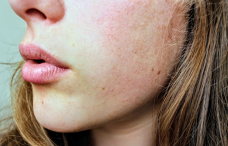
Studies show that women who take Omega-3s often require less ibuprofen or paracetamol for cramp relief. It can also help with hormonal acne flare-ups around the mouth and jaw area.
You can find it in mackerel, walnuts, chia seeds, and high-quality fish oil supplements.
Chasteberry (Vitex)
Unlike the vitamins listed above, Vitex is a herbal remedy that has been used for centuries to treat “female complaints.” Vitex doesn’t contain hormones itself. Instead, it acts on the pituitary gland to balance the ratio of progesterone to estrogen. It is particularly effective for women who have “estrogen dominance” (where estrogen is too high relative to progesterone).
One of the most effective ingredients for reducing cyclic mastalgia (sore breasts). It also helps to lengthen the luteal phase for women with irregular cycles.
Because Vitex affects the pituitary gland, it can take 3 months of consistent use to see results. Always consult a doctor if you are on hormonal birth control.
Iron
While Iron doesn’t necessarily stop PMS symptoms before they start, it is vital for the transition into your period. Women who have heavy periods (menorrhagia) lose a significant amount of iron every month. Low iron leads to “period fatigue,” brain fog, and a weakened immune system.
Maintaining iron levels prevents that heavy, lead-like exhaustion that hits on Day 1 of your cycle; therefore, iron helps with preventing the crash that we all dread when Mother Nature comes knocking.
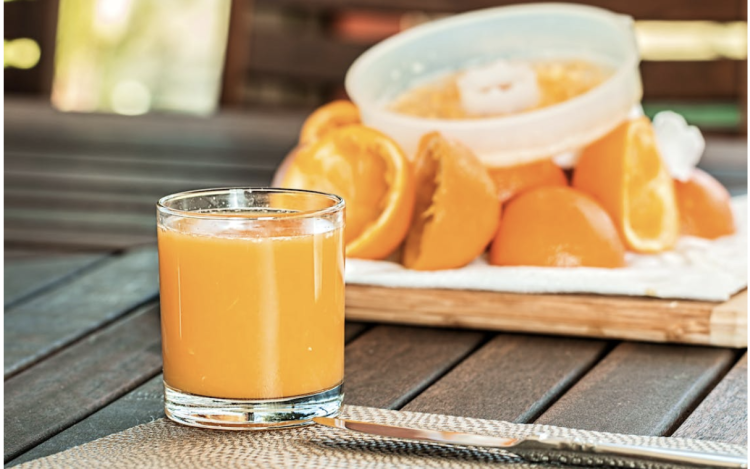
You can find iron naturally in red meat, lentils, spinach, and beans. Pro-tip: Always pair iron-rich foods with Vitamin C (like a squeeze of lemon) to double the absorption rate.
Saffron
Saffron is the breakout star of hormonal health in 2026. Clinical studies have shown that 30 mg of standardised saffron extract can be as effective as some low-dose antidepressants in managing the “dark” moods of PMS.
It works by supporting serotonin and GABA balance, which specifically targets the irritability, anxiety, and “low motivation” that many women feel in the week before their period. Look for a “standardised” extract (like Affron®) to ensure you’re getting the active compounds (crocin and safranal).
Zinc
While we often talk about Magnesium, Zinc is a critical partner. A 2025 meta-analysis found that 30 to 60 mg of Zinc significantly improved physical symptoms like breast tenderness and headaches.
Zinc acts as a potent anti-inflammatory. It helps reduce the production of prostaglandins (which cause pain) and is particularly effective at preventing the hormonal acne breakouts that occur when your cycle shifts.
If you take Zinc for more than a few weeks, ensure your supplement includes a tiny bit of copper to keep your mineral levels balanced.
Ginger
For years, ginger was just for nausea, but new 2025/2026 trials confirm it is a heavy hitter for Dysmenorrhea (painful cramps). Ginger inhibits the same enzymes as NSAIDs (like Ibuprofen) but without the potential for stomach irritation.
Studies show that taking 750 mg to 2,000 mg of ginger powder during the first 3–4 days of your cycle can reduce pain intensity just as effectively as over-the-counter painkillers.
Final Thoughts
When it comes to trying to naturally consume all of the foods, it’s not always possible or realistic in a person’s diet, and we want to ensure we aren’t missing out on good stuff just because we don’t have the time, allergies or overall don’t like the foods. Some of these vitamins are much easier to get into our system through women’s supplements, including a multivitamin by eudae, which incorporates atleast 90% mentions in today’s blog.
You shouldn’t have to suffer with PMS, and there are so many natural ways in which we can help soothe our bodies throughout the month that make our cycles and hormonal health more aligned and centred, which is what most women need in order to feel comfortable.