


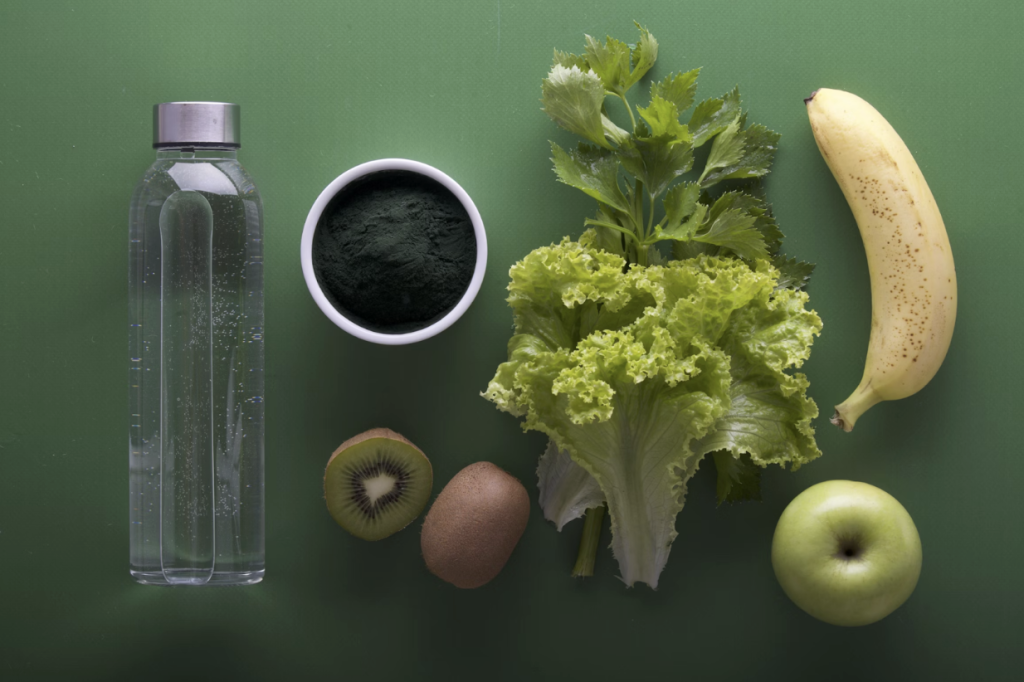
There’s never been more emphasis placed on our physical and mental health. But there’s also plenty of conflicting information floating around, which can make it hard to know what to follow and what to avoid. This is especially true when it comes to diet and nutrition, and while there have always been new diets emerging, there appear to be more trends than ever before when it comes to food, drink and general nutrition.
If you are feeling a little overwhelmed by all the information around fasting, gut health and so on, you are certainly not alone. In this article, we’re going to break down some of the latest nutrition trends so you can determine if they will work for your own diet or not.
Personalisation
It could be argued that everything is becoming more personalised. From diet plans to digital marketing, young people in particular seem to have a preference for things that have been designed specifically for them. When it comes to diet, personalisation certainly isn’t a bad thing, and it’s great that we are finally acknowledging that our bodies are all different and require different diets.
It’s becoming increasingly common to see tailored diet plans as a result of the increasing demand for personalisation. This allows individuals to adapt their nutritional intake in line with their fitness or lifestyle goals. Those who dedicate a greater amount of time to strength training may tailor their diet towards high protein to assist with muscle growth, for instance.
A personalised diet may even involve testing to identify specific food groups that don’t agree with our bodies. Awareness around issues like gluten intolerance and celiac disease is thankfully increasing, which has led more people to pursue medical tests.
Restricted Eating
Restricted eating and fasting are on the rise. There has been an increasing number of celebrities who swear by intermittent fasting, which has put the approach into the spotlight. It involves not eating before a certain time or alternatively fitting all your calories into a specific time window.
It’s often adopted by people who think calorie counting has become outdated, with restricted eating viewed as a far more modern approach. When restricting yourself by time rather than calories, there are a few different approaches you can take.
The most popular methods involve restricting yourself based on the number of hours in a day. For instance, the 16/8 approach would involve 16 hours of fasting versus 8 hours of eating. Another option is to restrict yourself based on the day; the 5:2 diet would see an individual eat their usual diet for 5 days before restricting themselves to a 600-calorie diet for the next 2 days.
Sustainability
Plant-based and vegan diets have become extremely popular in the last ten years, which most people will probably be well aware of. While some people’s motivation for following a plant-based diet is motivated by ethics or health, others are motivated by sustainability, which is becoming an increasingly popular consideration when deciding what to eat and where we get our food from.
Sustainable diets don’t have to be meat-free; they simply need to consider the planet. For instance, those following a sustainable diet may choose to get their meat from a local butcher, which is far more environmentally friendly than purchasing meat from a supermarket that has likely faced a far more extensive journey, leading to increased emissions and pollution.
Packaging should also play a part in a sustainable diet. Try to incorporate brands that are committed to using recyclable materials or are against using excessive packaging.
Gut Health
One of the fastest emerging trends in the world of nutrition is gut health. More and more people appear to be choosing foods that are kinder for their guts, and simultaneously avoiding anything that could lead to gut issues. Our gut contains a microbiome of beneficial bacteria, and when we eat a diet rich in probiotics, fiber and fewer processed foods, we fuel those healthy bacteria. As a result, we have better digestion, which reduces common complaints including bloating, pain and irregular stools, as well as benefitting the rest of our health from our immune system to mental health.
There are a few obvious steps you can take to improve gut health, including drinking plenty of water and avoiding processed foods. But the latest trend in gut health appears to be fermented foods, which naturally contain probiotics. Probiotics are often referred to simply as good bacteria, and the kind that is linked to improved digestion and enhanced immunity. In terms of specific fermented foods, kefir and kimchi appear to be particularly on trend, but more traditional options include sourdough bread, cottage cheese and Greek yoghurt. When it comes to where to buy Kefir, the majority of supermarkets now stock great brands like Biotiful, with a wide variety of different yogurt and drink options to introduce this superfood into your diet seamlessly. With no added sugar, high in protein and so many different delicious flavours, this is a great addition to your diet to help improve your gut health!
Alongside your probiotics, you should eat a wide variety of plant based foods that are high in fibre, including fruits, vegetables, whole grains, legumes, nuts and seeds. Alongside these foods being rich in nutrients which is essential to our overall health and wellbeing, the fibre content in them is largely not digested by the human body, but is essential in helping to add bulk to the stool and feeding the healthy bacteria, so it plays a key part in having a healthy gut. Making regular healthy choices can be transformative.
Final Thoughts
Following the latest trend or diet can be a little risky, especially if your information isn’t coming from a credible source. If you are thinking of changing up your diet, carry out a little research beforehand using verified websites. If your diet change is motivated by a certain illness, you should definitely speak to a health professional for more in-depth advice. The four trends we have covered in this article are safe, but always proceed with caution when switching up your nutrition, gradually introducing new foods to help your body to adjust, expecting some potential disruption to begin with. For example, try to work towards a 16/8 fast rather than beginning with one, or slowly introducing fermented foods like Kefir into your diet, to allow your body to adapt slowly.