


Ever wondered if there’s more to property investment than houses and flats? Have you considered where to invest your money beyond the traditional bricks and mortar that dominate most portfolios? What if the best investment right now isn’t what everyone else is chasing?
Property investors across Australia are increasingly looking beyond residential and commercial buildings to find new opportunities. The housing market has its ups and downs, and savvy investors understand that putting all their eggs in one basket rarely ends well. That’s where land comes into the picture – an often-overlooked asset class that deserves serious attention from anyone serious about building wealth through property investment.
In this guide, we’ll explore why diversification matters, the benefits of property investment, and specifically why land deserves a place in your portfolio. Whether you’re just getting started or you’ve been in the game for years, you’ll discover practical strategies for creating wealth through property that goes beyond the obvious choices. We’ll also tackle common questions about land investment and give you actionable steps to take your portfolio to the next level.
Understanding Diversification: A Guide for Everyone
What Does Diversification Actually Mean?
Let’s break this down simply – investing for dummies style, if you like. Diversification means spreading your investments across different asset types so you’re not completely exposed if one area takes a hit. Think of it as not betting everything on a single horse.
A diversified portfolio might include shares, bonds, property, and cash. Within property itself, you can diversify by holding residential rentals, commercial spaces, and yes – land. The goal is straightforward: when one investment underperforms, others can pick up the slack.
Why a Diversified Investment Strategy Protects Your Wealth
Diversification investing isn’t just a fancy concept for financial advisors to throw around. It’s a practical approach that’s protected countless investors from significant losses. Markets are unpredictable, and what seems like a sure thing today might look very different tomorrow.
By holding diversified investments, you create a safety net for yourself. If the residential rental market slows down, your land holdings might continue appreciating. If commercial property struggles, your other assets can help maintain your overall returns. This balanced approach is essential for long-term success.
The Benefits of Property Investment: Why Invest in Property at All?
So, why invest in property when there are so many other options available? The property investment benefits are genuinely compelling. Property offers tangible assets you can see and touch – unlike shares or cryptocurrency. It provides potential rental income, capital growth, and various tax advantages.
Building wealth through property has created financial freedom for countless Australians. Property tends to appreciate over time, even accounting for market fluctuations. Plus, you can leverage your investment using borrowed money, which amplifies your returns when done wisely.
Here are some key benefits of property investment you might be overlooking:
– Inflation hedge: Property values and rents typically rise with inflation
– Leverage opportunities: Banks readily lend against property assets
– Control: You can actively improve your investment’s value
– Passive income: Rental properties generate ongoing cash flow
– Tax benefits: Depreciation and negative gearing can reduce your tax burden
Understanding how to build wealth through property investment means recognising these advantages and using them strategically.
Why Land Deserves a Place in Your Property Portfolio
What Makes Land Different?
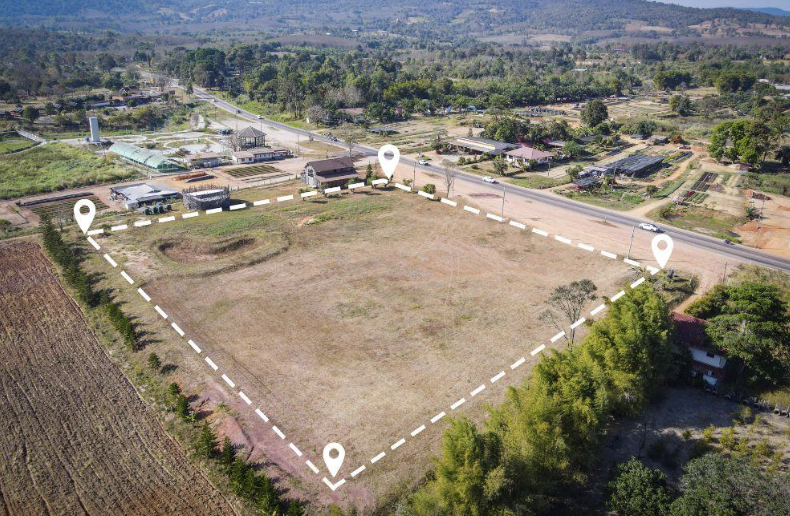
Land investment offers something unique compared to residential or commercial property. There are no tenants to manage, no maintenance costs to worry about, and no building insurance to pay. Vacant land sits there, quietly appreciating in value while demanding almost nothing from you.
This low maintenance, high potential combination makes land particularly attractive for investors who want exposure to property without the headaches of land lording. Where can I invest my money for genuine long-term growth? Land is often the answer smart investors arrive at.
The Appeal of Vacant Land
Land in growth corridors – particularly around expanding Australian cities – has historically delivered impressive returns. As populations grow and urban boundaries expand, previously rural land becomes increasingly valuable. Unlike buildings that depreciate, land doesn’t age or wear out.
Consider areas on the outskirts of Melbourne, Brisbane, or Perth. What was farmland twenty years ago is now established suburbia. Investors who bought land early in these areas have seen extraordinary capital gains with minimal effort.
How to Build Wealth with Property: Adding Land to the Mix
Residential Property vs Land Investment
Building wealth through residential property requires active management. You’ll deal with tenants, repairs, and ongoing costs. Building wealth with rental properties certainly works, but it demands time and attention.
Land investment, by contrast, is largely passive. You buy, you hold, and you wait. The trade-off is that land typically doesn’t generate rental income while you hold it. This is why the smartest approach combines both strategies.
A Balanced Approach to Creating Wealth Through Property
How to build wealth with rental property alongside land holdings involves strategic thinking. Your rental properties provide ongoing cash flow, while your land holdings offer growth potential. The rental income can even help fund land purchases, creating a compounding effect.
Consider this balanced approach:
- Start with income-producing residential property
- Use surplus cash flow to acquire strategic land parcels
- Hold land in identified growth corridors
- Review and rebalance regularly
Developing a Property Portfolio That Works Harder for You
Building Your Real Estate Portfolio from Scratch
Wondering how to build a real estate portfolio? Start by getting clear on your goals. Are you chasing income, growth, or both? Your answer shapes everything that follows.
What should I invest my money in first? For most people, a well-located residential property makes sense as a starting point. It generates income, builds equity, and teaches you the fundamentals of property investment.
Balancing Risk Across Asset Types
Diversified investments mean spreading risk intelligently. Don’t put everything into one suburb or one property type. Geographic diversity matters – what affects Sydney’s market might not impact Brisbane’s.
When developing a property portfolio, think about diversified fixed interest options too. Property shouldn’t be your only investment class. A truly diversified portfolio includes multiple asset types, with property forming one important component.
Best Place to Invest Money Right Now: Is Land the Answer?
Where to Invest Your Money in Uncertain Markets
With economic uncertainty seemingly constant, where to invest your money becomes a pressing question. The best place to invest money right now depends on your circumstances, but land offers compelling advantages during volatile times.
Land doesn’t generate income worries during downturns – there are no vacancies to stress about. It simply exists, maintaining its intrinsic value regardless of what’s happening in rental markets.
Regional vs Metropolitan Land in Australia
Australian land investment opportunities span from inner-city infill sites to regional acreage. Metropolitan fringe land near infrastructure projects often delivers strong returns. Regional land in growing towns can offer excellent value.
Research infrastructure announcements, population projections, and zoning changes. These factors drive land values and help identify where genuine opportunities exist.
Common Questions About Land Investment
Is land a good investment for beginners?
Absolutely. Land’s simplicity makes it accessible for newcomers. There’s no building to inspect, no tenants to vet, and no maintenance surprises. Start with a modest block in an area showing growth potential.
How does land fit into a diversified investment strategy?
Land complements income-producing properties beautifully. It provides growth exposure without management hassles, balancing your portfolio’s risk-return profile.
What are the risks of investing in land?
Land can be illiquid, meaning it might take time to sell. Holding costs including rates and land tax apply. Zoning changes can affect value positively or negatively. Research thoroughly before purchasing.
Practical Steps to Start Building Wealth Through Investment Property and Land
Ready to take action? Here’s how to research land opportunities in Australia:
– Study local council planning schemes and future development zones
– Monitor infrastructure announcements (roads, rail, hospitals)
– Analyse population growth data for target areas
– Connect with local agents specialising in land sales
– Consider property development portfolio opportunities for higher involvement
Investment in building property becomes relevant when you’re ready to develop rather than simply hold. This advanced strategy requires more capital and expertise but can accelerate returns significantly.
Your Roadmap to a Smarter, Diversified Property Portfolio
We’ve covered substantial ground here. The key takeaways for wealth creation through property are clear: diversification matters, land offers unique advantages, and a balanced approach beats putting everything into one basket.
Diversity in real estate investment isn’t complicated, but it does require intentional planning. Start where you are, build income-producing assets, and gradually add land to your holdings. Exploring growth-ready regional locations—such as opportunities for Land For Sale Yarra Glen can be a smart way to introduce long-term capital growth into a diversified portfolio.
Taking the first step might feel daunting, but every successful property investor started somewhere. Research your target markets, speak with professionals, and begin building the diversified portfolio that will serve your financial future. The opportunity is there—you just need to grab it.